There are two passwords on your router and almost nobody means the same one. The Wi-Fi password is the long string you type into a phone to join the network. The router password is the one that gets you into the router’s own settings pages. They are different, they are stored in different places, and the one you are probably after right now is the first.
This page covers finding a Wi-Fi password for a network you own or administer — off the router itself, off a device that already knows it, or out of the router’s settings. Every method below works without installing anything.
- Fastest route
- The label on the router. Still unchanged on most home networks.
- Already connected?
- Windows, macOS, iPhone and Android can all show you a saved key.
- Changed and forgotten
- Read it from the router’s admin pages, which need the other password.
- None of the above
- A factory reset restores the label key, and wipes everything else.
First, make sure which password you want
This trips up more people than anything else on the subject, and it is worth thirty seconds because the two are stored in completely different places. There is a fuller comparison of the two if you want it.
| Wi-Fi password | Router password | |
|---|---|---|
| Also called | Network key, WPA key, wireless key, passphrase | Admin password, login password |
| What it does | Lets a device join the network | Lets you change the router’s settings |
| Where it lives | On the router label, and saved on every device that has joined | On the router label, or set by you at first setup |
| Typical look | Long and random: f4Kq82mNvB |
Short and generic: admin |
If you are trying to open 192.168.1.1 and it is asking you to log in, you want the router password, not the Wi-Fi key. We hold documented defaults for 460 manufacturers, and there is a separate guide to getting back into a device you have no password for.
Method 1 — Read it off the router
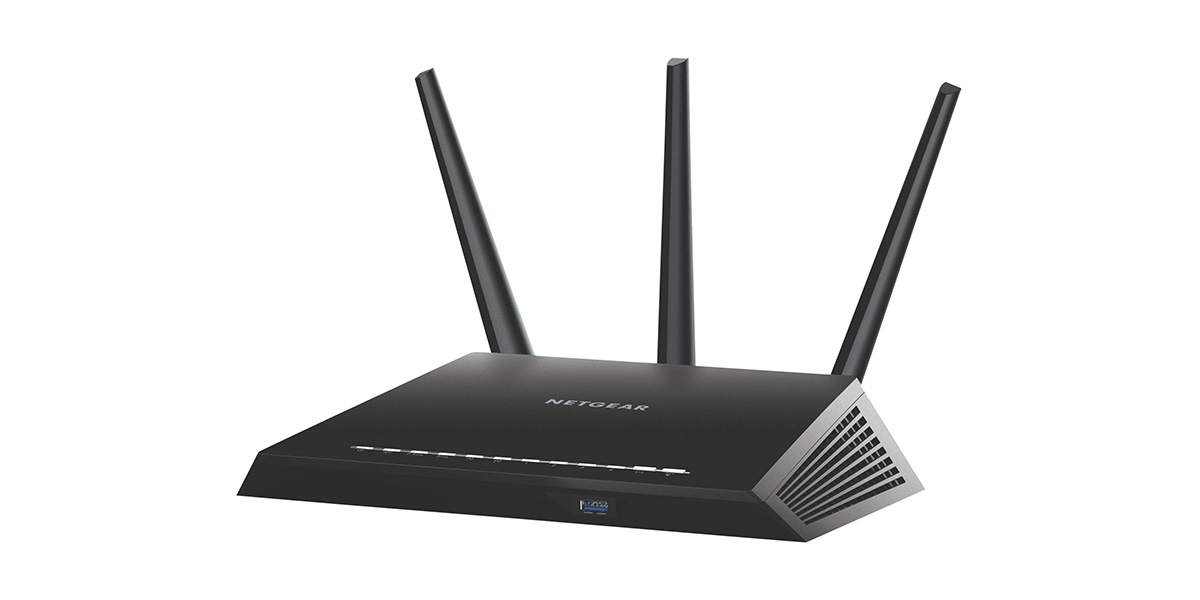
Turn the router over. On the overwhelming majority of home routers the wireless key is printed on a sticker on the underside or the back panel, and on newer kit it is often on a plastic pull-out card tucked into the casing so it survives the sticker wearing off.
Look for a line labelled one of: Wi-Fi password, Wireless key, Network key, WPA key, KEY, or on ISP hubs simply Password next to the network name.
Two things on the same label
ISP hubs usually print both passwords within a few millimetres of each other. The one beside the network name (SSID) is the Wi-Fi key. The one labelled admin or settings gets you into the router. Take a photo of the whole label rather than copying one line — you will want the other one eventually.
This only works if nobody has changed the key since the router was installed. On most home networks nobody has.
Method 2 — Take it off a device that is already connected
If a laptop or phone in the house is on the network, it is storing the key and will usually show it to you.
Windows 10 and 11
- Open Settings → Network & internet → Advanced network settings.
- Choose More network adapter options. The old Control Panel window opens.
- Right-click your Wi-Fi adapter, choose Status, then Wireless Properties.
- On the Security tab, tick Show characters.
This only reveals the network you are currently joined to. For a network you have used before but are not on now, open a Command Prompt and run netsh wlan show profile name="NETWORK NAME" key=clear, then read the Key Content line.
macOS
- Open Keychain Access (press Command and Space, type the name).
- Search for the network name.
- Double-click the entry, tick Show password, and enter your Mac login password when asked.
iPhone and iPad
From iOS 16 onwards the key is visible directly: Settings → Wi-Fi, tap the ⓘ beside the network, tap the hidden Password field and authenticate with Face ID. On older iOS there is no way to display it — use another method below, or share the network to a nearby Apple device without ever seeing the key.
Android
From Android 10 onwards: Settings → Network & internet → Wi-Fi, tap the network, then Share. It produces a QR code, and on most builds prints the password underneath it in plain text. Older versions do not offer this without root access.
Method 3 — Read it out of the router’s settings
If the key has been changed and no device has it saved, the router itself still knows. This is the route that needs the other password.
- Connect to the router, by cable if you cannot get on the Wi-Fi.
- Open a browser and go to the router’s address — commonly
192.168.1.1or192.168.0.1. If neither loads, see why the admin page will not open. - Log in with the admin credentials. If you have never changed them, look up the documented default for your make and model.
- Find Wireless, WLAN or Wi-Fi settings. The key is usually shown behind a show toggle.
Brands differ in where they hide it. Our per-manufacturer pages list the documented admin credentials for each — NETGEAR, TP-Link, ASUS, Huawei and 455 others.
Method 4 — Your ISP’s app
If the router came from your broadband provider, the app usually shows the Wi-Fi key and will let you change it without touching the router at all. That covers the My BT app, the My Sky app, the Virgin Media Connect app and most others. It is often the quickest route of the lot, because you are already signed in on your phone.
Provider-supplied hubs also have their own quirks around the admin password, which is a separate subject.
If none of that works
A factory reset returns the router to the key printed on its label. It is the last option rather than the first, because it also erases every other setting: port forwarding, static leases, parental controls, any custom network name, and on ISP hubs sometimes the broadband credentials themselves.
Before you press reset
Photograph the label first, and be aware that every device in the house will drop off the network and need the key typing in again. If the router was configured by an installer, check what you are about to lose — see what a factory reset does and does not erase.
Why “Wi-Fi password finder” sites cannot work
A steady trade exists in pages promising to reveal the password for any network from its name alone. They cannot, and the reason is worth understanding.
Your Wi-Fi password is never transmitted. WPA2 and WPA3 authenticate by proving both sides know the key without either sending it, so there is nothing for a website to look up and no central register of network keys. A site that returns a “password” for an arbitrary network name has either guessed a manufacturer default or made it up.
What genuinely exists is the manufacturer’s documented default, which is public information and which we catalogue — 1,677 confirmed credentials across 460 makers. That tells you what a device shipped with. It tells you nothing about a network whose owner has changed the key, and it is only useful on equipment you are entitled to administer.
Once you are back in
If you have just recovered a key that was still the factory one, it is worth changing. Printed defaults are readable by anyone who can see the router, and on some older kit they are derived from the network name in a way that is trivially reversible.
- Use a passphrase of four or more unrelated words rather than a short complex string. Easier to read aloud, far harder to crack.
- Set WPA3 if the router offers it, WPA2 (AES) otherwise. Turn off WEP and WPA if they are still enabled.
- Change the router password too. A strong Wi-Fi key with
adminon the settings page protects very little. - Use the guest network for visitors, so the main key does not circulate.
If the admin side is what you actually came here for, start with the manufacturer index.